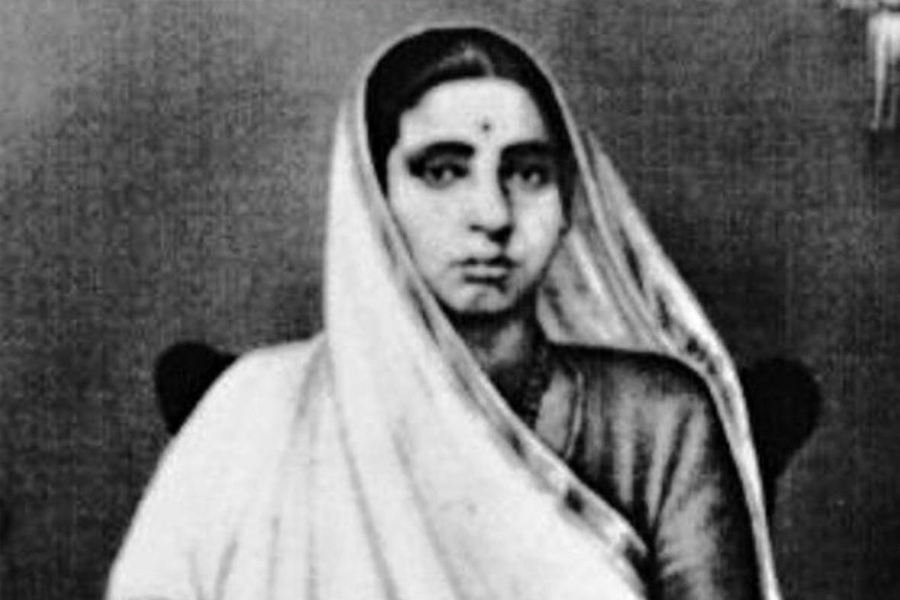
A life remembered through influence
I see Putlibai Gandhi as one of history’s most quietly forceful figures. She did not leave behind a public career, a political office, or a long list of formal titles. Instead, she left something harder to measure and easier to miss: a household shaped by discipline, faith, restraint, and moral gravity. Her name appears most often in connection with Mahatma Gandhi, yet that link should not make her seem small. In many ways, she was the hidden river beneath a great tree.
Putlibai Gandhi was born in 1844 in Datrana or Dantrana in Junagadh state. She lived in a period when women’s lives were usually recorded through family roles rather than public achievements, so the surviving picture is partial. Even so, the outlines are vivid. She belonged to a Pranami Vaishnava background, and her daily life appears to have been anchored in prayer, fasting, and strict observance. Her household influence was less like a speech and more like a climate. People living inside it had to breathe it.
Her marriage to Karamchand Gandhi placed her in the center of an important family line. Karamchand served as dewan of Porbandar and later Rajkot, and Putlibai became his fourth wife. That detail matters because it shows the complexity of the household into which she entered. She was not simply a decorative presence. She was the mother who helped stabilize the family and raise the children who would carry the Gandhi name into history.
The family circle around Putlibai Gandhi
When I map Putlibai Gandhi’s family, the list is short in number but large in consequence. Her spouse was Karamchand Gandhi. Their surviving children were Laxmidas Gandhi, Raliatbehn Gandhi, Karsandas Gandhi, and Mohandas Karamchand Gandhi. That single generation is enough to explain why her name still travels through biographies, family trees, and cultural memory.
Karamchand Gandhi was her husband and the father of her children. He held administrative responsibility and family authority, but Putlibai’s role in the home was equally defining in a different register. If he was the household’s public face, she was its steady pulse.
Laxmidas Gandhi, one of her sons, is remembered as the older brother in the family structure. He carried the family name into the next generation and is part of the broader genealogy through which descendants trace their lineage. Raliatbehn Gandhi, her daughter, is another important branch in that tree. She represents the line of daughters who often disappear from popular retellings but remain essential to family history. Karsandas Gandhi, another son, completes the sibling set most often listed in historical references. And then there is Mohandas Gandhi, the youngest and most famous child, whose life would grow into a national and global force.
Through Mohandas, Putlibai’s family line extends into the larger public memory. His wife, Kasturba Gandhi, became a major historical figure in her own right. Their children included Harilal Gandhi, Manilal Gandhi, Ramdas Gandhi, and Devdas Gandhi. These were Putlibai’s grandchildren, and through them the family moved deeper into the modern era. The lineage does not stop there. The Gandhi family continued through later generations, including names such as Tara Gandhi, Ela Gandhi, and others linked through descendants and extended family branches. Putlibai stands near the root of that sprawling canopy.
The domestic force that shaped a worldview
Gandhi’s personal life is recognized more for domestic example than public activity. It’s not trivial. Indeed, it makes it more intimate and powerful. Her fasting and religious observance were severe. Her devoutness and consistency were uncommon. Habits were not private decorations. In their environment, young Mohandas Gandhi acquired discipline.
I see her impact as habitual architecture. No stone temple was built by her. She created a moral area in the home. Gandhi compared her self-control, religious sincerity, and moral pledge to his own. One of her most renowned anecdotes is his 1888 promise before going for England. Avoiding meat, booze, and women were his vows. In return, she let him go. The scene has endured because it captures their relationship’s emotional logic: parental care, religious firmness, and a son’s attempt to honor both.
Her effect appears to have gone beyond ritual. Her religious atmosphere was open to many faiths and respectful of Jain and Pranami influences. That aids in explaining Gandhi’s spiritual expansion. Children don’t become inclusive by mistake. The first wide door at home is often opened.
Career, money, and public achievement
Putlibai Gandhi had no modern public career. No verifiable records show her holding office, owning a business, publishing, or administering a formal organization. Absence does not imply insignificance. Her role was household and formation, not work and performance.
A public figure’s personal finance record is also lacking. I cannot find her name-related assets, income, or wealth management. Her family was formed by her husband’s administrative career and then by the Gandhi family economics. Her property was moral, not monetary. Habits, memory, and familial continuity carried her wealth.
Thus, her accomplishments are best assessed indirectly. She raised children where Mohandas Gandhi was born. She showed spiritual discipline and fasting. She was crucial to Gandhi’s commitment to England. These accomplishments are significant. They are hidden yet decisive, like underground roots.
Timeline of a life that echoed across generations
1844
Putlibai Gandhi is born in Datrana or Dantrana in Junagadh state.
1850s
She marries Karamchand Gandhi and enters the family that would later become one of the most discussed families in modern Indian history.
1860s
She gives birth to her surviving children, including Laxmidas, Raliatbehn, Karsandas, and Mohandas.
2 October 1869
Mohandas Karamchand Gandhi is born in Porbandar.
1876
The family moves to Rajkot when Karamchand takes up duties there.
Childhood years of Mohandas
Putlibai’s fasting, prayer, and devotion shape the boy who would become Gandhi.
1888
Before Gandhi leaves for England, he promises his mother he will avoid meat, alcohol, and women.
4 September 1888
Gandhi departs for England.
June 1891
Putlibai dies, leaving behind a family and a moral influence that would continue long after her death.
Family memory and later generations
The family line continues through her grandchildren Harilal, Manilal, Ramdas, and Devdas, and then into later generations that keep the Gandhi name alive in public memory.
FAQ
Who was Putlibai Gandhi?
Putlibai Gandhi was the mother of Mohandas Gandhi and the wife of Karamchand Gandhi. She is remembered as a deeply religious, disciplined, and influential matriarch whose home life helped shape Gandhi’s values.
What is Putlibai Gandhi known for?
She is best known for her role in Gandhi’s early moral formation, especially her fasting, devotion, and the famous promise he made before going to England in 1888.
Who were Putlibai Gandhi’s immediate family members?
Her husband was Karamchand Gandhi. Her children included Laxmidas Gandhi, Raliatbehn Gandhi, Karsandas Gandhi, and Mohandas Karamchand Gandhi.
Did Putlibai Gandhi have a public career?
No formal public career is documented. Her influence was centered in family life, religious practice, and moral guidance.
Why is Putlibai Gandhi important in Gandhi’s story?
She helped shape the habits and conscience of Mohandas Gandhi. Her example of fasting, self-restraint, and devotion became part of the foundation of his later life.
What is known about her religious background?
She is associated with the Pranami Vaishnava tradition and is remembered for a household atmosphere that respected spiritual discipline and religious diversity.
How did Putlibai Gandhi influence later generations?
Her influence moved through Mohandas Gandhi to his children and grandchildren, and then through later descendants who remain part of the wider Gandhi family line.