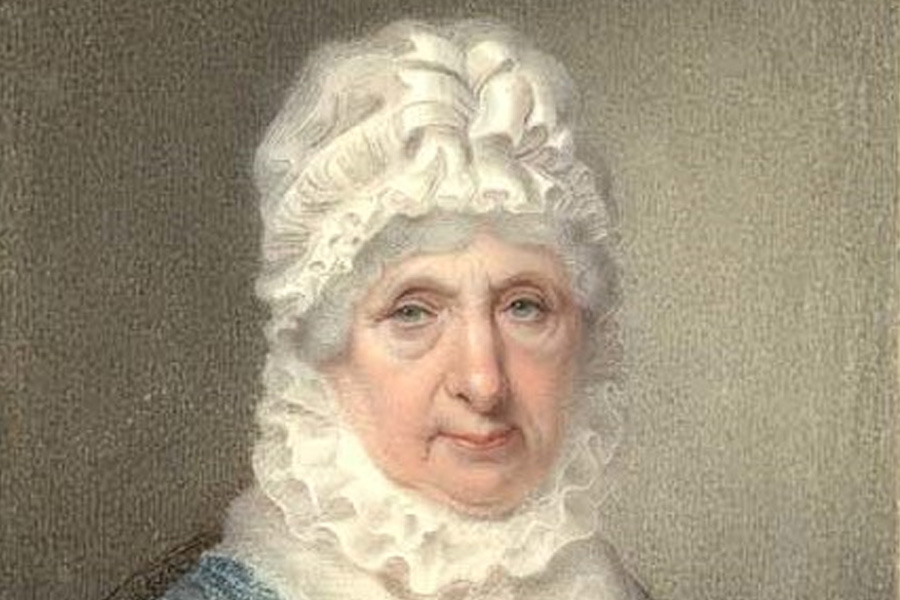
Who Was Catherine Van Rensselaer
I have always been drawn to the women who shaped history from behind grand estates and dinner tables. Catherine Van Rensselaer stands out as one such figure. Born on November 4 or 10 1734 in the Claverack Greenbush area of colonial New York she grew up amid the vast lands of the Lower Manor of Rensselaerswyck. As the eldest daughter of a powerful Dutch patroon family she carried the weight of legacy from the moment she took her first breath. Contemporary accounts paint her as a woman of great beauty shape and gentility with a delicate yet perfect form graceful movements and a sprightly temperament. Nicknamed the Morning Star she moved through Albany high society with the poise of someone born to command respect. I find it striking how her early years forged a character marked by firmness of will that would later sustain an entire family through war and upheaval.
Her world was one of privilege yet rooted in practical duty. She visited relatives at the Court of the Royal Governor of New York each year gaining cultural polish that sharpened her social skills. By her twenties she had become a symbol of elite Dutch colonial life blending charm with quiet strength.
Roots That Ran Deep: Her Parents and Heritage
Catherine Van Rensselaer drew strength from a family tree intertwined with New Yorks founding powers. Her father Johannes Van Rensselaer born in 1708 served as proprietor of the Lower Manor of Rensselaerswyck. A British Army officer who later embraced American independence he provided her with vast land connections and an upbringing steeped in responsibility. Her mother Engeltie Angelica Livingston born in 1698 came from another influential line as daughter of Robert Livingston the Younger. Though her mother died in 1747 when Catherine was just a girl the name Angelica lived on passed to the first child in the next generation. This union of Van Rensselaer and Livingston families created a formidable alliance of patroon wealth and influence. I see their legacy as the deep roots anchoring Catherine like an ancient oak that withstood every storm.
The Marriage That United Empires
Catherine Van Rensselaer married her distant cousin Philip Schuyler at Albany Dutch Reformed Church on September 7, 1755. Although she was pregnant, the match was heralded as a colonial high point. The 1733-born Philip became a Revolutionary War military general, U.S. senator, and political landowner. I consider their nearly 48-year union a true teamwork. He wrote to her as my beloved love, trusting her to administer estates while he ran campaigns. The couple stayed in Albany’s Schuyler family house before moving to the Schuyler Mansion in 1761–1765. She supervised a bustling household of servants, enslaved people, and hired hands that hosted British officers, George Washington, and Benjamin Franklin.
A Dynasty in Full Bloom: Her Fifteen Children
Catherine Van Rensselaer and Philip Schuyler welcomed fifteen children between 1756 and 1781. Infant mortality claimed seven yet the survivors carried the family name into Congress courts and beyond. I marvel at how she navigated frequent pregnancies and losses with the resilience of a frontier commander. Here is a clear table of their children with birth years and key details.
| Child Name | Birth Year | Notable Life Details |
|---|---|---|
| Angelica Schuyler | 1756 | Married John Barker Church became prominent socialite in Europe and the U.S. |
| Elizabeth Eliza Schuyler | 1757 | Married Alexander Hamilton co founded New York Citys first orphanage outlived him by fifty years. |
| Margarita Peggy Schuyler | 1758 | Married Stephen Van Rensselaer III died in 1801 at age forty three. |
| Cornelia Schuyler twin | 1761 | Died in infancy 1762. |
| Unnamed twin son | 1761 | Died in infancy 1761. |
| John Bradstreet Schuyler first | 1763 | Died in infancy 1764. |
| John Bradstreet Schuyler second | 1765 | Married Elizabeth Van Rensselaer died 1795. |
| Philip Jeremiah Schuyler | 1768 | Served as U.S. Congressman married twice father of several children. |
| Three unnamed triplets | 1770 | Died unbaptized in 1770. |
| Rensselaer Schuyler | 1773 | Married Elizabeth Ten Broeck lived until 1847. |
| Cornelia Schuyler second | 1776 | Married Washington Morton eloped died 1808. |
| Cortlandt Schuyler | 1778 | Died in infancy 1778. |
| Catherine Van Rensselaer Caty | 1781 | Youngest namesake godchild of George and Martha Washington married twice lived until 1857. |
Each child wove new threads into the fabric of American elite society. Elizabeths marriage to Alexander Hamilton alone produced eight grandchildren including Philip Hamilton and James Alexander Hamilton. Angelica hosted glittering salons abroad. Peggy linked the family to another Van Rensselaer branch. Philip Jeremiah entered Congress. The youngest Caty earned her own biography as A Godchild of Washington. Together they formed a network that influenced politics land and culture for generations.
Grandchildren and the Web of Kinship
The grandchildren extended Catherine Van Rensselaers reach even further. Dozens in total they intermarried with Livingston Van Rensselaer and other founding lines. Prominent among them were the Hamilton grandchildren such as Philip and James Alexander. Angelica Churchs children included Catherine Church Cruger and Richard Hamilton Church. Philip Jeremiahs descendants connected back to Cornelia Rutsen lines. I picture this web as a living tapestry where each thread strengthened the whole. Even great grandparents like Cornelia Rutsen and Harriet Van Rensselaer Crosby echo through the family stories passed down.
Wartime Trials and Estate Mastery
Catherine Van Rensselaer fought in the Revolutionary War from 1775 to 1783. She visited Fort Ticonderoga to treat her spouse. After the Battle of Saratoga, she graciously received British General John Burgoyne in 1777. According to legend, she destroyed Saratoga fields to deny British forces resources. Legend or fact, the story highlights her patriotism. Even during conflicts, she oversaw livestock and hospitality at the Albany palace and Saratoga domains. In his will, Philip gave her major estate income authority. Legends say hereditary patroon lands, tenant rents, and dowry wealth worth $100,000 funded it. No official occupation characterized her, yet she maintained the family empire, enabling Philips’ career and displaying calm resolve.
Daily Life as a Colonial Powerhouse
Picture the Schuyler Mansion in the 1760s. Catherine oversaw purchases of linens food and goods. She entertained statesmen amid wartime disruptions relocating the family temporarily to Philadelphia and New Jersey when needed. Her firmness of will kept order through fifteen births multiple infant losses and constant political demands. By 1803 when she died of a stroke on March 7 at age sixty eight in Albany she left a household that had shaped a new nation. Philip survived her by about one year. Her burial in Albany Rural Cemetery marked the end of an era yet her influence endures.
FAQ
How many children did Catherine Van Rensselaer have and what happened to them
Catherine Van Rensselaer gave birth to fifteen children from 1756 to 1781. Seven died in infancy or early childhood including twins triplets and others. The eight who reached adulthood forged powerful marriages and careers in politics and society. Their descendants number in the dozens and continue to appear in American historical records today.
Who was Catherine Van Rensselaers husband and what role did he play
Her husband was Philip Schuyler born in 1733. He served as a major general in the Revolutionary War a U.S. Senator and a major landowner. Their marriage on September 7 1755 created a partnership that blended two elite families. He depended on her estate management during his long absences in Congress and on the battlefield.
What was Catherine Van Rensselaers role during the Revolutionary War
She supported the patriot cause by managing households during campaigns hosting enemy and ally generals alike and possibly ordering the burning of Saratoga crops in 1777. She traveled to care for her husband at Fort Ticonderoga and kept the family resilient amid relocations and supply shortages.
How did Catherine Van Rensselaers family background shape her life
Born into the Van Rensselaer patroon system with ties to the Livingston family she inherited land wealth social status and a tradition of leadership. This foundation allowed her to navigate colonial high society and later revolutionary circles with confidence and authority.
Why is Catherine Van Rensselaer remembered today
She is remembered as the matriarch whose household produced key figures like Elizabeth Schuyler Hamilton and whose quiet strength symbolized the vital unseen labor of women in founding America. Her story illuminates how elite families built and sustained the early republic through marriage hospitality and endurance.